
A
AI-Generated Content SEO Best Practices
Learn how B2B SaaS content teams can use AI to create search-friendly content without sacrificing accuracy, originality, governance, or trust.
17 articles
Back to home
Learn how B2B SaaS content teams can use AI to create search-friendly content without sacrificing accuracy, originality, governance, or trust.
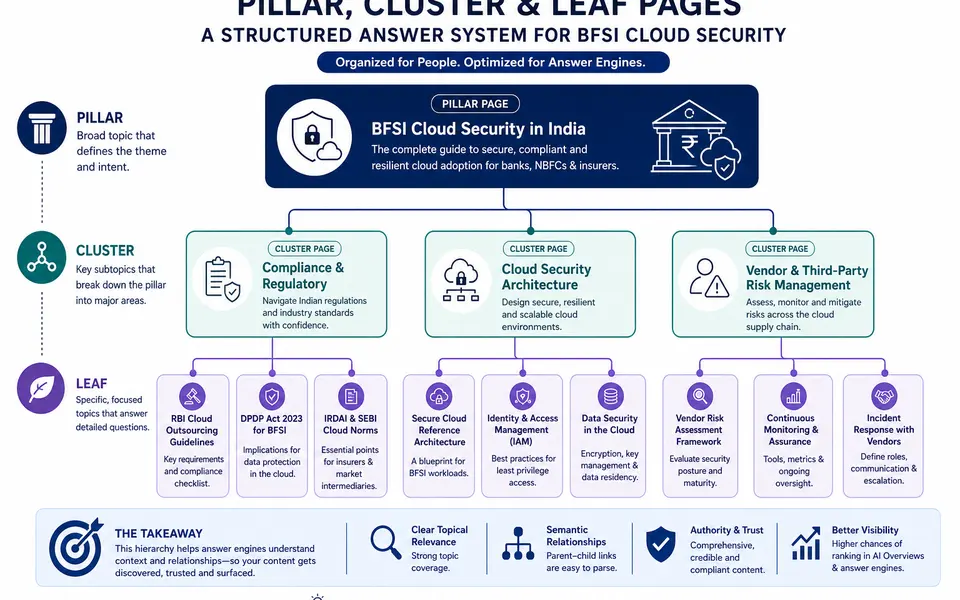
Learn how pillar, cluster, and leaf pages create a parent–child content structure that builds topical authority and Answer Engine Optimization (AEO) for Indian B2B websites.
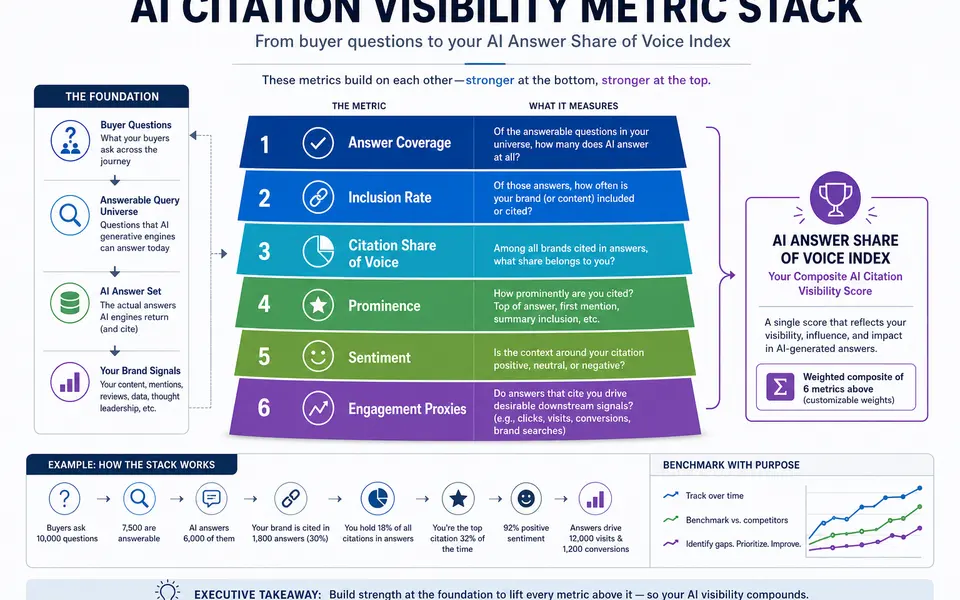
Learn how Indian B2B leaders can measure brand visibility inside AI-generated answers, using answer inclusion, citation share, and prominence instead of just rankings.
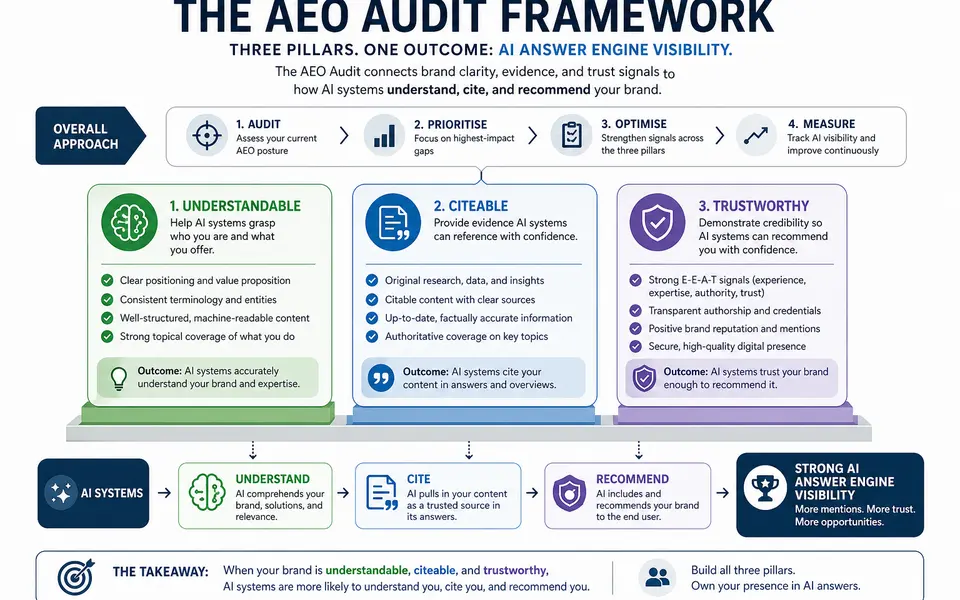
A practical audit framework for Indian B2B leaders to assess how AI answer engines understand, cite, and trust their brand, and where to invest in Answer Engine Optimization.
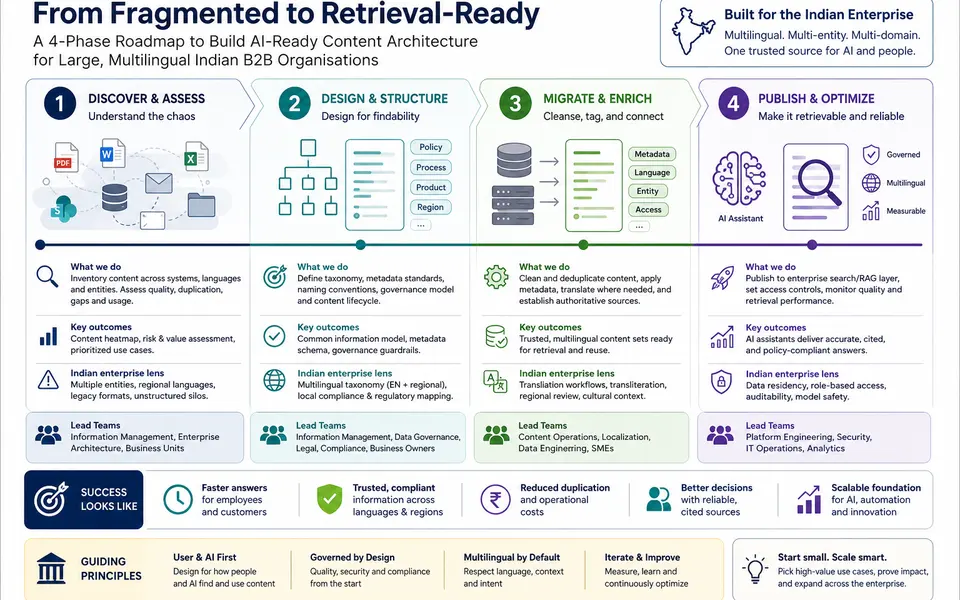
How page structure, hierarchy, and information blocks determine whether AI assistants can reliably retrieve and reuse enterprise knowledge in Indian B2B organisations.
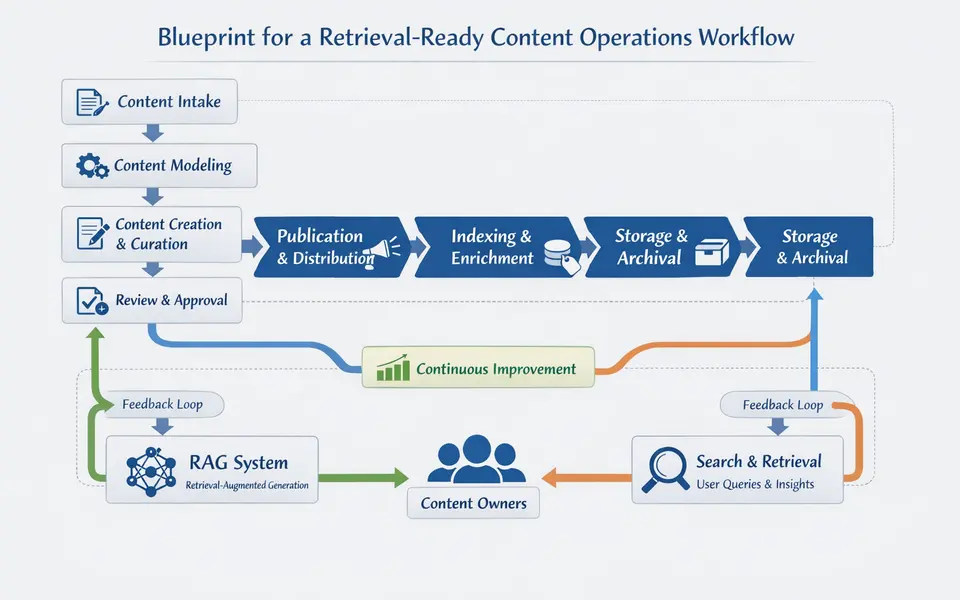
Turns retrieval principles into a repeatable publishing and update workflow.
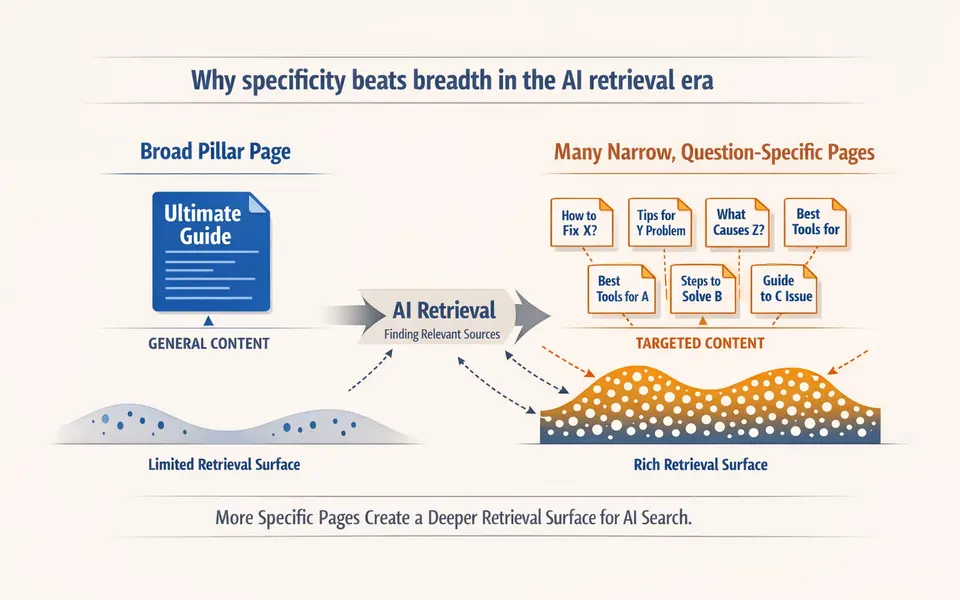
Explains why many narrow, high-specificity pages often outperform a few broad pieces for AI retrieval.
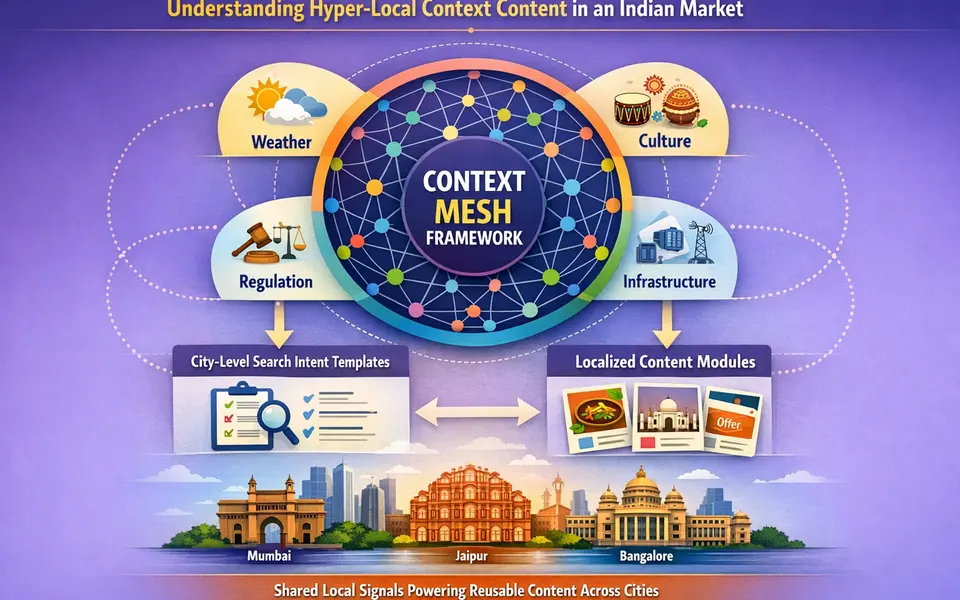
Shows how local weather, habits, regulations, and conditions create differentiated search intent.
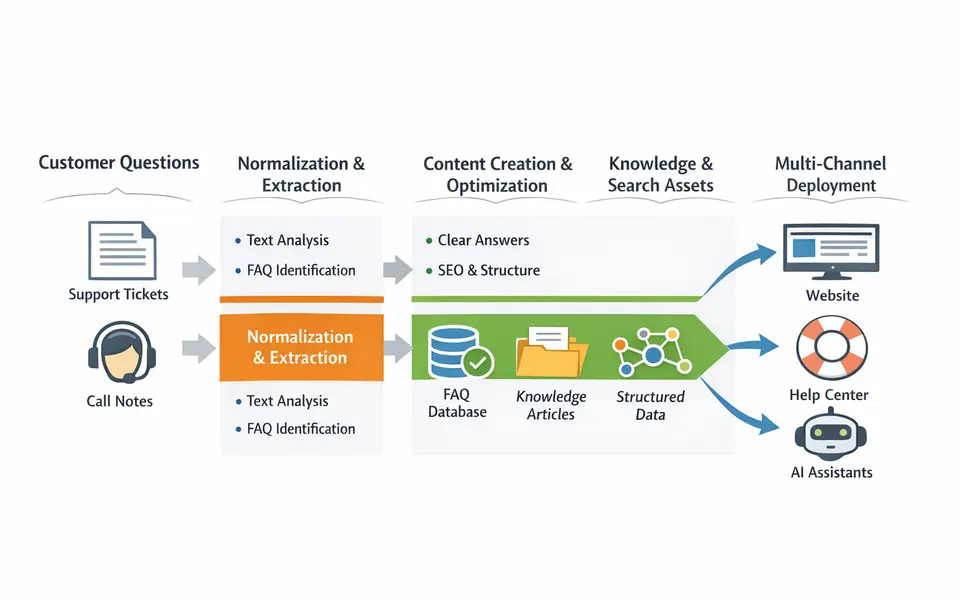
Explains how support tickets, comments, and objections can become retrieval-friendly content.
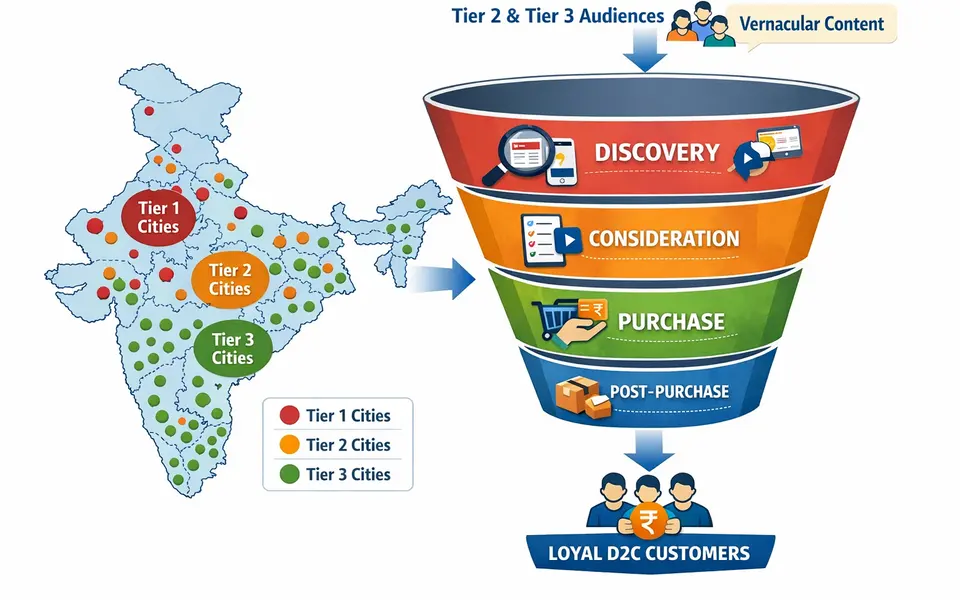
Shows where multilingual or regional-language pages can widen discovery in underserved markets.
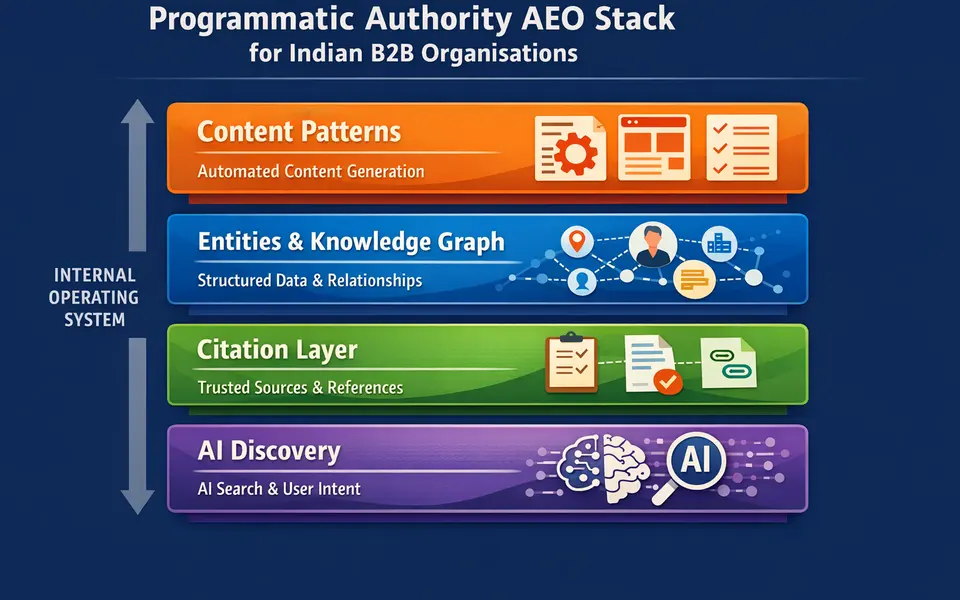
Compares the cost of building owned content assets with the compounding cost of buying traffic every month.
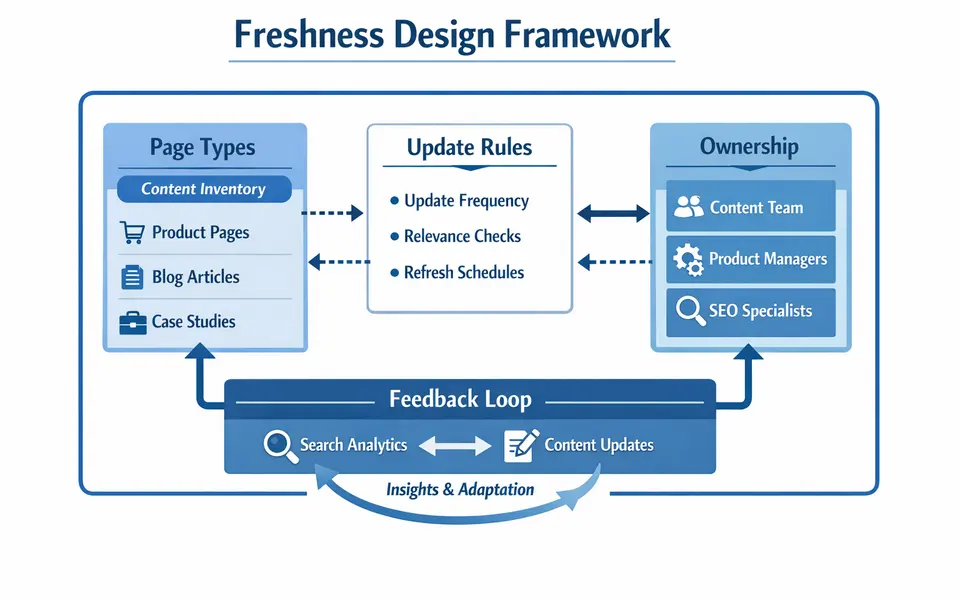
Explains how to update pages without breaking authority and how freshness interacts with trust.